Day Hike Packing Checklist for the Pennines: 17 Essentials
Ask anyone who has spent a season walking the Pennine hills what goes in their pack and you will get a short answer, delivered with feeling: waterproofs, spare layers, and food that does not turn to crumbs in the bottom of a rucksack. The weather here changes faster than any forecast can keep up with. A clear morning on Pen-y-ghent can be low cloud, sideways drizzle and a cutting wind by early afternoon, and the ground underfoot is often wetter than it looks. This checklist is built for one day out — light enough to carry comfortably, thorough enough that a change in the weather is an inconvenience rather than an emergency.
Clothing: layers that cope with four seasons before lunch
The principle on the Pennines is simple. You will be too warm climbing and too cold standing still, often within twenty minutes of each other. So carry layers you can add and remove without a long stop, and never rely on the one you are wearing.
- Base layer: synthetic or merino, long or short sleeved. Cotton stays cold when it is wet.
- Mid-layer: a fleece or light synthetic top for the climb and the descent.
- Insulated layer: a lightweight synthetic or down jacket, kept for stops and exposed tops.
- Waterproof shell: a jacket with a hood that fits over a hat and taped seams that still work.
- Waterproof trousers: the item most often left behind and most often regretted on a peat bog.
- Hat and gloves: a thin liner pair for summer, something warmer from October through April.
Add one spare dry layer and a pair of socks, rolled into a dry bag. Changing into a dry top at the halfway point is the difference between a shivery descent and a comfortable one.
Footwear and foot care
Boots or walking shoes with a deep, still-sharp tread. Peat, wet gritstone and limestone slabs are all slippery, and ankle support matters on the rough, stony tracks that link the valleys. Feet will get wet on a boggy day whatever you wear; boots that drain and dry are worth more than boots that merely claim to be waterproof.
Look after your feet before they complain. Stop at the first hot spot and cover it with a blister plaster or tape. Keep toenails short, wear socks that fit without wrinkles, and carry a spare pair. Most miserable days out are caused by feet, not weather.
Navigation you can actually rely on
Phone signal in the Pennines is patchy at best and absent in many cloughs and valleys, so a phone alone is not a navigation plan. Carry a paper map — the OS Explorer series covers the range well, with OL1 for the Dark Peak and OL31 for the North Pennines, and Harvey maps are excellent for the open moorland — in a waterproof case or laminated. Add a compass and know how to take a bearing and follow it.
On the phone, download offline maps for the area before you leave, keep it in a pocket rather than a pack lid, and carry a small power bank. Tell someone at home your route and your expected return time, and message them when you are back at the car. That single text saves a lot of worry.
Food, water and the brew stop
Eat little and often rather than saving everything for one big lunch. Sandwiches, oatcakes, flapjack, nuts, dried fruit and a bar or two will get you up the last climb. Avoid chocolate that melts and sandwiches that freeze.
Carry at least a litre of water and drink as you go; a flask of tea or coffee is a genuine morale boost on a cold, windy top. If you plan to refill from streams, treat the water — Pennine becks run through grazing land, and a filter or purification tablets are cheap insurance. Handlebar muffs for flasks, no. Just a flask, wrapped in a spare sock if you want it to stay hot.
Safety kit that earns its place
- Head torch with fresh batteries, even on a long summer day.
- Whistle — six blasts, pause, repeated, is the distress signal.
- Emergency shelter or bivvy bag, plus a foil blanket.
- First aid kit: blister plasters, tape, dressings, painkillers and a tick removal tool.
- Spare layers and a phone card listing an emergency contact and any medical details.
- Sun cream, sunglasses and midge repellent in summer.
If you need help in the hills in England or Wales, dial 999 and ask for the police, then mountain rescue. Keep the casualty warm, conserve your phone battery, and stay where you are unless it is unsafe.
If you have a heart, lung or joint condition, or you are returning from injury, speak to a doctor before a long or remote day out.
The 17 essentials, in one printable list
- Base layer
- Fleece or mid-layer
- Insulated jacket
- Waterproof jacket
- Waterproof trousers
- Spare dry top and socks in a dry bag
- Hat and gloves
- Boots or walking shoes with good tread
- Map in a waterproof case
- Compass
- Phone with offline maps and a power bank
- Head torch
- Water, at least a litre
- Food and a hot drink
- Emergency shelter or bivvy bag
- First aid kit, including blister plasters and a tick tool
- Whistle and an emergency contact card
Packing the night before
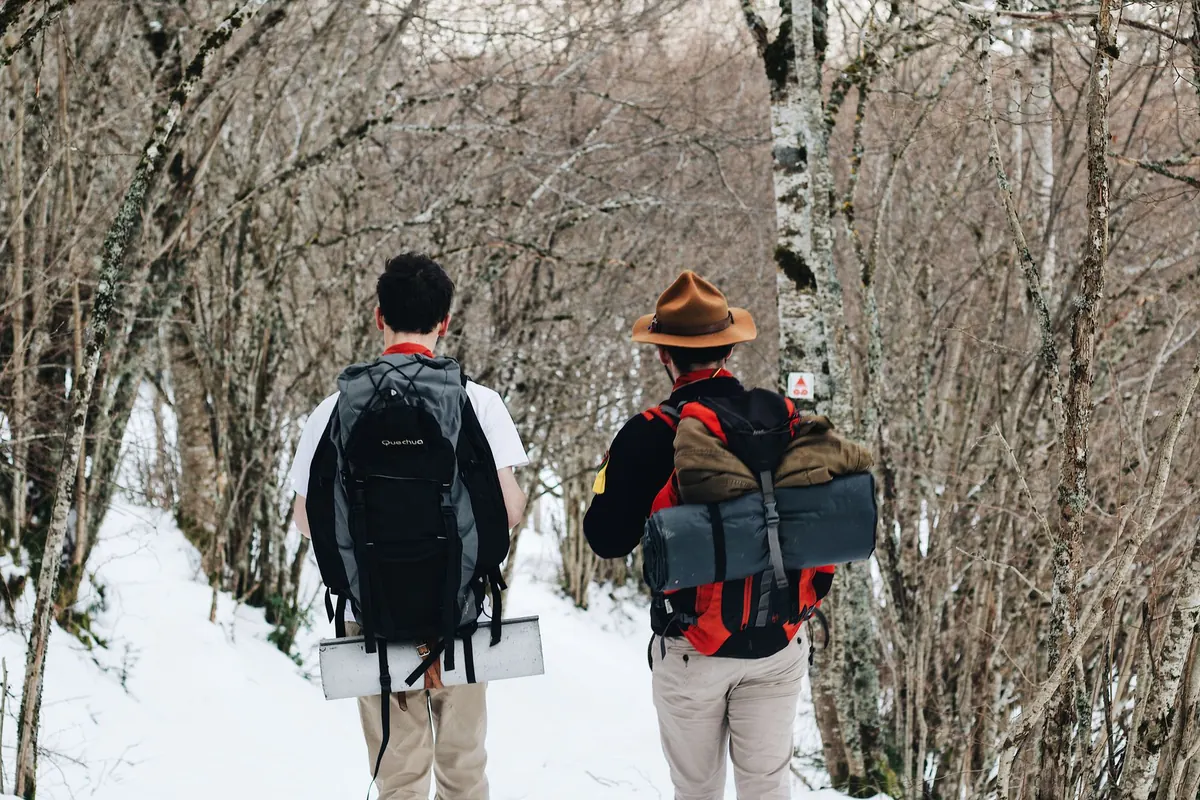
Pack the evening before, not in a rush at the trailhead. Put the waterproofs at the top of the pack where you can reach them without emptying everything, keep the map and compass in a side pocket, and check the Met Office mountain forecast and the weather for the valley you are starting from. Weigh the pack on the kitchen scales if you are unsure — a day pack of eight to ten kilos is plenty for most Pennine walks, and anything heavier usually means you have packed for a weekend.
Leave a note with your route, park considerately in the villages that sit at the foot of the hills, and check bus times if you are walking a linear route. Then get an early night. The best days on these hills start slowly, with boots laced on a quiet lane and a long ridge ahead.
Photo: Maël BALLAND / Pexels
You Might Also Like
From Edale's Pennine Way start to Bakewell's gentle dales, here is how to choose a Peak District base that puts the walks you want on your doorstep.
Camping, hostels and B&Bs each ask something different of your budget, your legs and your planning. A practical comparison for Pennine Way walkers choosing where to sleep.