North Pennines Dark Skies: A Seasonal Stargazing Guide
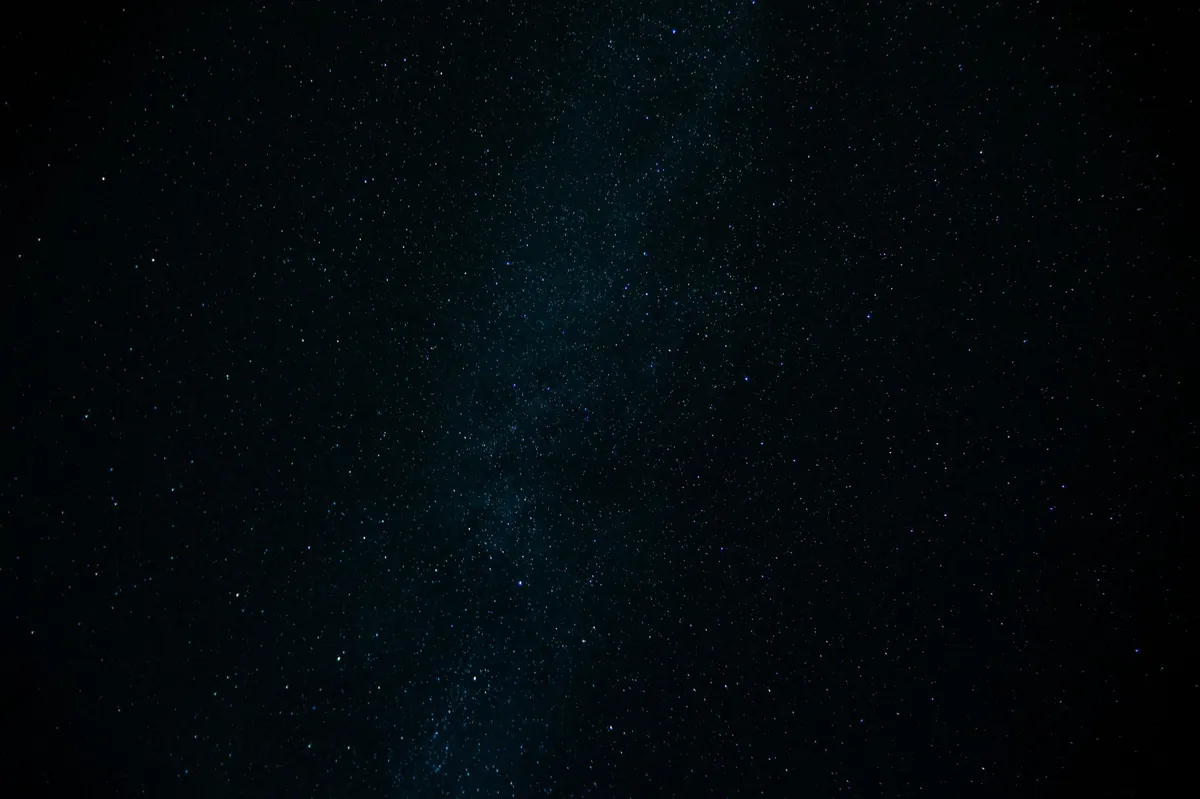
The North Pennines holds one of the darkest night skies in England, and unlike most things worth travelling for, it costs nothing and never closes. What changes is what you can see. Orion rules January, the Milky Way arcs overhead in October, and in June you may not get true darkness at all. Here is how the year unfolds up here, and how to make the most of whichever month you choose.
Why This Landscape Suits the Night Sky
The North Pennines is a designated International Dark Sky Reserve, one of a handful in England, but the designation is not simply about a lack of streetlights. It reflects the shape of the place. The reserve covers a large sweep of high fell, moorland and dale across County Durham, Cumbria and Northumberland, with very few settlements inside it. Alston, the highest market town in England, and villages such as Nenthead, Allenheads and St John's Chapel throw out far less light than towns of similar size in the lowlands.
Altitude does the rest. Cross Fell, the highest point, reaches 893 metres, and much of the surrounding land sits well above the valley floors. That puts you above a lot of the mist and low cloud that collects in the dales, and it gives you a wide, unobstructed horizon. Both matter when you are trying to pick out faint stars low in the sky, or watching the northern horizon for the first hint of aurora. Aurora displays are never predictable, but high fell with a clean view north is exactly where you want to be when activity is strong.
Winter: Long Nights, Bright Stars
December, January and February offer the longest nights and the earliest darkness, with full dark often arriving before six in the evening. For anyone new to stargazing, this is the friendliest season, because the sky is crowded with unmistakable markers. Orion stands high with Betelgeuse and Rigel, Sirius blazes in the south, and Taurus, Gemini and Auriga sit around them like neighbours. These are the stars you learn first, and you can learn them in an hour.
Winter also brings meteors. The Geminids peak around mid-December and the Quadrantids in the first days of January. Cold, clear air after a frost is often the most transparent you will get all year, which makes fainter objects easier to spot.
The catch is the ground. Side lanes and laybys can stay icy for days after the main roads have been cleared, and the wind on exposed fell cuts through ordinary clothing. Take more layers than you think you need, keep a flask in the car, and check the road conditions before climbing to the high passes.
Spring: Galaxies and a Later Start
March and early April still deliver proper darkness, and the evening sky shifts towards the spring constellations. Leo is easy to find, and the region behind it, through Virgo and Coma Berenices, holds a dense patch of galaxies. Most are faint smudges rather than grand spirals, but they are the kind of target that rewards patience and a modest pair of binoculars.
By May the evenings stretch on, and you may not be setting up until after eleven. The Lyrids peak in late April, and the Eta Aquariids follow in early May, best seen in the couple of hours before dawn. When high pressure settles over the fells in spring, you get still, dry air and excellent clarity. It rarely lasts long, so watch the forecast and go when it does.
Summer: Short Nights and Special Sights
Be honest with yourself about summer. At this latitude, true astronomical darkness disappears for several weeks either side of the solstice, so late June evenings never go fully black. That does not mean there is nothing to see, but it does change what you should look for.
Deep twilight brings noctilucent clouds, the pale blue-white ripples that appear low in the north on summer nights. The Moon and the brighter planets cut through the glow perfectly well. By late July, real darkness returns, and the Perseids peak around mid-August. Warm, dry nights and long school holidays also make this the easiest season for families, campsite stargazing and long, unhurried evenings on the fell.
Autumn: The Best of the Year
September, October and November combine the things you want: darkness arrives at a civilised hour, temperatures are still workable, and the ground is usually dry underfoot. The Milky Way runs overhead through Cygnus and Cassiopeia, and the Andromeda Galaxy, the Pleiades and the Double Cluster in Perseus are all easy targets for binoculars. If you only plan one trip, plan it for late September or early October.
The meteor calendar is busy too, with the Orionids in late October, the Taurids through late October and November, and the Leonids in mid-November. The trade-off is weather. Autumn is the season of Atlantic fronts, so treat every clear night as a gift and be ready to drive at short notice.
Where to Go and How to Look
Reliable spots across the reserve
- Cow Green Reservoir — open water and a broad horizon, with a car park above the dam and little else around.
- Killhope and the upper Wear valley — high, dark and quiet, with excellent northern views.
- Nenthead and the fells above Alston — remote high roads with handy pull-ins and no nearby glare.
- Allenheads — a small village with a long association with dark-sky events and easy roadside viewing.
- The A686 over Hartside — big horizons and altitude, but keep well clear of the carriageway.
- Blanchland and Derwent Reservoir — the northern edge, quick to reach from Durham and Newcastle.
- Teesdale around Langdon Beck — high, wide and famously unpolluted, with good access from the B6277.
Habits that make the difference
- Check the moon first. A bright moon will wipe out faint stars, so aim for the week around new moon.
- Check cloud cover forecasts before leaving home, and give yourself a bail-out plan.
- Allow twenty to thirty minutes for your eyes to adapt, and use a red torch rather than a phone screen.
- Lie back or bring a reclining chair. Craning upwards from a standing position ruins the night faster than the cold does.
- Start with binoculars. They are easier to hold, easier to learn with, and show far more than you expect.
- Arrive in daylight the first time, so you know where the gates, edges and soft ground are.
Practical Notes Before You Set Off
Mobile signal is patchy to non-existent across much of the reserve, so download offline maps before you leave and tell someone where you are going and when you expect to be back. Fuel up in Alston, Stanhope or Middleton-in-Teesdale rather than relying on finding a garage late at night.
Park without blocking gates, passing places or farm access, and close any gate you open. Switch headlights off as soon as you arrive if others are already set up — it takes twenty minutes to recover night vision and one second to destroy it. Take everything home with you.
Finally, respect the conditions. Cold, high and remote places are unforgiving, and winter nights on the fell are not the moment to test unfamiliar equipment or clothing. If you have a heart or breathing condition, or you are heading out with young children, it is worth a word with your GP or a check of the mountain weather forecast before committing to a long night at altitude.
Photo: Gammel Knecht / Pexels
You Might Also Like
From Edale's Pennine Way start to Bakewell's gentle dales, here is how to choose a Peak District base that puts the walks you want on your doorstep.
Camping, hostels and B&Bs each ask something different of your budget, your legs and your planning. A practical comparison for Pennine Way walkers choosing where to sleep.